
Outlets Wired Correctly From the Panel Out
Outlet and switch installation in Kansas City for kitchens, bathrooms, and commercial workspaces where existing receptacles don't meet current code or capacity requirements
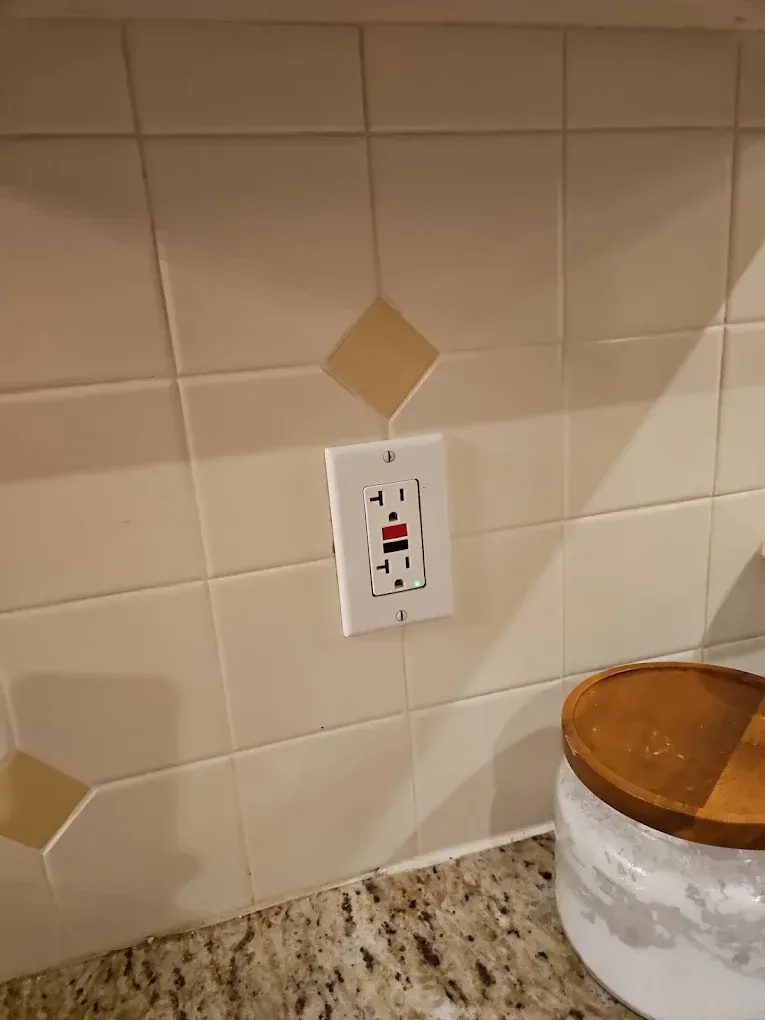
Adding or replacing electrical outlets isn't only a question of where the receptacle goes—it starts with whether the circuit feeding that location can carry the load, and whether the outlet type matches the code requirement for that space. Galvin Electric Company, Inc. installs outlets and switches throughout Kansas City for both residential and commercial properties, routing wire from the breaker panel, boxing and terminating each outlet correctly, and verifying ground and polarity before handoff. Kansas City kitchens and bathrooms require GFCI protection at any outlet within a defined distance of a water source, and commercial spaces often need multiple circuit types at a single workstation—distinctions that affect both the outlet selection and the circuit design upstream.
The installation sequence starts at the breaker panel—not at the wall—because the wire run, conductor gauge, and breaker size are determined by the outlet's location and intended load before any wall is opened. Once the circuit is sized and the route is confirmed, wire is run through the wall cavity or surface raceway, the opening is cut and boxed, conductors are stripped and terminated at specification, and the outlet or switch is set. Every completed outlet is tested with a multimeter for correct ground and polarity before the wall surface is restored. Properties in areas like Blue Springs with finished basements or in Olathe commercial buildings with concrete-block walls may require conduit for exposed runs, which changes the installation method but not the testing standard.
Schedule a site visit with Galvin Electric to evaluate the circuit capacity at the locations you need outlets added and confirm the correct outlet type before any openings are made.
What Proper Outlet Installation Requires at Each Stage
Outlet installation quality is verified most clearly at two points: the termination inside the box and the polarity test at the face of the outlet. Inside the box, conductors must be stripped to the exact depth required by the terminal—too short and the connection won't seat fully; too long and exposed conductor can arc against the metal box or adjacent wire. Wire is secured under screw terminals or backstab connections, with screw-terminal connections being the standard for long-term reliability, as backstab connections on the push-in terminals of cheap outlets are a documented source of resistance heating over time.
Once installed, a correctly wired outlet shows consistent voltage between hot and neutral, continuity on the ground path back to the panel, and correct polarity on every slot. Galvin Electric tests each outlet with a multimeter before the wall is closed and again after the circuit is energized at the panel, so any wiring error is caught before the outlet is in use. You'll notice outlets that hold device plugs firmly, GFCI outlets that test and reset correctly, and switches that operate without buzzing or flickering at the fixture.
Work scope covers running wire, cutting and boxing openings, terminating outlets and switches, and testing completed circuits. Where GFCI protection is required by code—bathrooms, kitchens, garages, and outdoor locations—the correct outlet type is specified in the bid rather than substituted after the fact.
Answers About How the Outlet Work Gets Done
Outlet and switch installation involves decisions at the panel, inside the wall, and at the device itself. The questions below address the technical steps in the order they occur.
What determines whether a new outlet needs its own dedicated circuit?
High-draw appliances—refrigerators, microwaves, dishwashers, and air compressors—require a dedicated circuit so the load from one device doesn't trip the breaker for everything else on the run, and most local codes specify dedicated circuits for those appliances by name.
How is wire routed when the wall is already finished?
In finished walls, a fish tape is fed through a drilled access point from above or below and pulled to the outlet box location—the approach depends on whether the wall has attic access above or a basement below, and what blocking or insulation is in the cavity.
Why does polarity matter at a standard outlet?
Reversed polarity puts the hot conductor on the neutral slot of the outlet, meaning a plugged-in lamp is live at the socket even when the switch is off—a shock hazard that isn't visible from the outside and requires a meter to catch.
How does the construction type of Kansas City commercial buildings affect outlet installation?
Older masonry commercial buildings in Kansas City often have no wall cavity, so surface-mounted raceway or conduit is used to route wire rather than fishing through the wall—the conduit fill and raceway type are selected based on the number of circuits sharing that run.
What does a completed outlet installation look like from the customer's side?
The outlet face sits flush with the wall plate, accepts plugs without looseness, the GFCI test button trips and the reset button restores function correctly, and the wall surface around the box is patched and clean.
Galvin Electric Company, Inc. also installs outlets and switches in Overland Park, Lenexa, Lee's Summit, Olathe, and Belton. If you're adding workstations, finishing a space, or replacing outlets that don't test correctly, connect with Galvin Electric to confirm what your specific layout requires before work starts.