
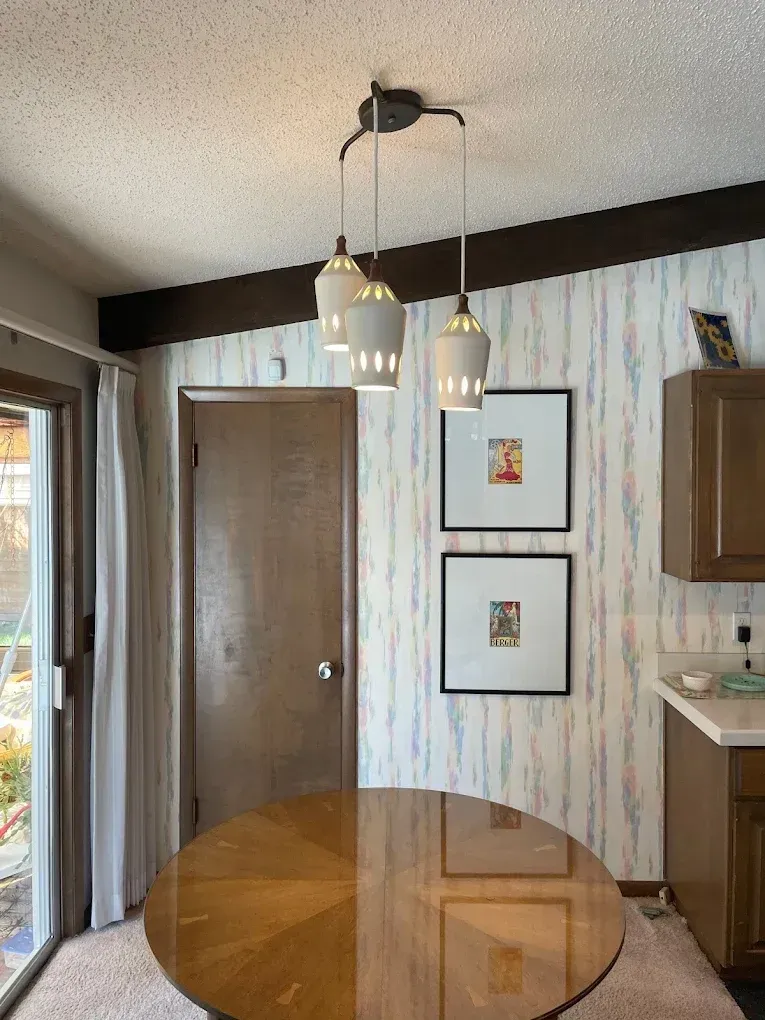
Heavy Fixtures Hung and Wired to Code
Chandelier Installation in Kansas City for ceiling boxes that cannot support fixture weight, dimmer compatibility issues, or circuits that need upgrading
A chandelier that exceeds the load rating of its ceiling box is not a cosmetic problem—it is a structural failure waiting to occur. Galvin Electric Company, Inc. provides chandelier installation in Kansas City for residential dining rooms, foyers, and commercial entries where fixture weight, wire gauge, and dimmer compatibility all affect whether the installation is safe and code-compliant. These are not tasks where visual inspection alone is sufficient; the ceiling box must be verified for load capacity before any fixture is hung.
The installation sequence starts with confirming the ceiling box is braced to handle the chandelier's weight—many boxes installed during original construction were sized for light fixtures, not for fixtures that may weigh thirty pounds or more. If the existing box is inadequate, a fan-and-fixture-rated brace is installed into the joist cavity without requiring ceiling demolition. The old fixture is removed if present, wiring is run or extended to code using the correct gauge for the circuit load, and the mounting bracket and canopy are fitted to the fixture's specifications. If a dimmer is part of the plan, wiring is configured for compatibility with that specific control type before the fixture is energized.
Arrange a site visit to assess your ceiling box, existing circuit, and any dimmer requirements before selecting or ordering a fixture.
How Chandelier Installation Addresses Structural and Electrical Requirements
Dimmer compatibility is a detail that catches many installations short. Not every chandelier accepts every dimmer, and not every dimmer is wired the same way—LED-compatible dimmers require a neutral wire at the switch location, which older switch boxes frequently lack. Galvin Electric Company, Inc. identifies these constraints during the initial assessment so the dimmer selection and wiring approach are resolved before the fixture arrives on site.
After the installation is complete, the fixture should hang level, the canopy should seat flush against the ceiling surface, and the dimmer—if installed—should operate without flicker at the low end of its range. Flickering at low dim settings is a reliable indicator of dimmer-to-fixture incompatibility and is addressed by selecting a dimmer rated for the specific lamp type the chandelier uses, which is confirmed during the work rather than after.
Commercial entries and residential foyers in neighborhoods like Gladstone frequently involve older construction where junction box locations were not placed with chandelier loads in mind. In those cases, the structural bracing step is not optional—it is the foundation the rest of the installation depends on. That assessment is completed before any fixture hardware is touched.
What Property Owners Ask About the Work
The following questions address the practical steps involved in chandelier installation—what the electrician checks, what the installation includes, and what indicates the work is finished correctly.
What does an electrician check at the ceiling box before hanging a chandelier?
The box is checked for its rated load capacity and for how it is anchored—to a joist, to a brace bar, or only to drywall. Fixtures above a certain weight require a box rated for that specific load, and if the existing box does not qualify, a rated brace assembly is installed into the ceiling cavity before the fixture is mounted.
How is the wiring approach determined for a chandelier installation?
Wire gauge is selected based on the fixture's total wattage and circuit length, following the National Electrical Code requirements for the load. If the existing wire run to that location uses an undersized gauge for the new fixture, the wire is replaced or a new circuit is run from the panel.
Why does dimmer wiring require a separate evaluation?
Many dimmer switches require a neutral wire at the switch box, and older Kansas City homes built before three-wire switch loops were standard may not have that conductor present. Identifying this before the dimmer is purchased avoids selecting a control that cannot be installed with the existing switch wiring.
What is included in the chandelier installation versus what the homeowner handles separately?
The electrician handles box inspection and upgrade if needed, fixture removal, wiring to code, mounting bracket installation, fixture hang and connection, and circuit testing. Fixture purchase, bulb selection, and any finish painting around the canopy are handled by the homeowner separately.
How do you verify a chandelier installation is structurally sound after the work is done?
With the fixture hanging at operating weight, the ceiling box should show no flex, the canopy should remain seated flush, and the mounting hardware should not shift when the fixture is gently tested. Any movement at the box after installation indicates the bracing did not seat correctly and requires correction before the circuit is left energized.
Galvin Electric Company, Inc. is licensed in Kansas City and Johnson County and handles both residential and commercial chandelier installations. Galvin Electric Company, Inc. also installs chandeliers in Belton, Lenexa, Lee's Summit, Olathe, and Belton. To begin, request an on-site assessment so box capacity and circuit conditions are confirmed before any fixture is selected or ordered.