Electrical Panel Installation
Stable Electrical Load Through Electrical Panel Installation in Kansas City, MO, and Surrounding Areas
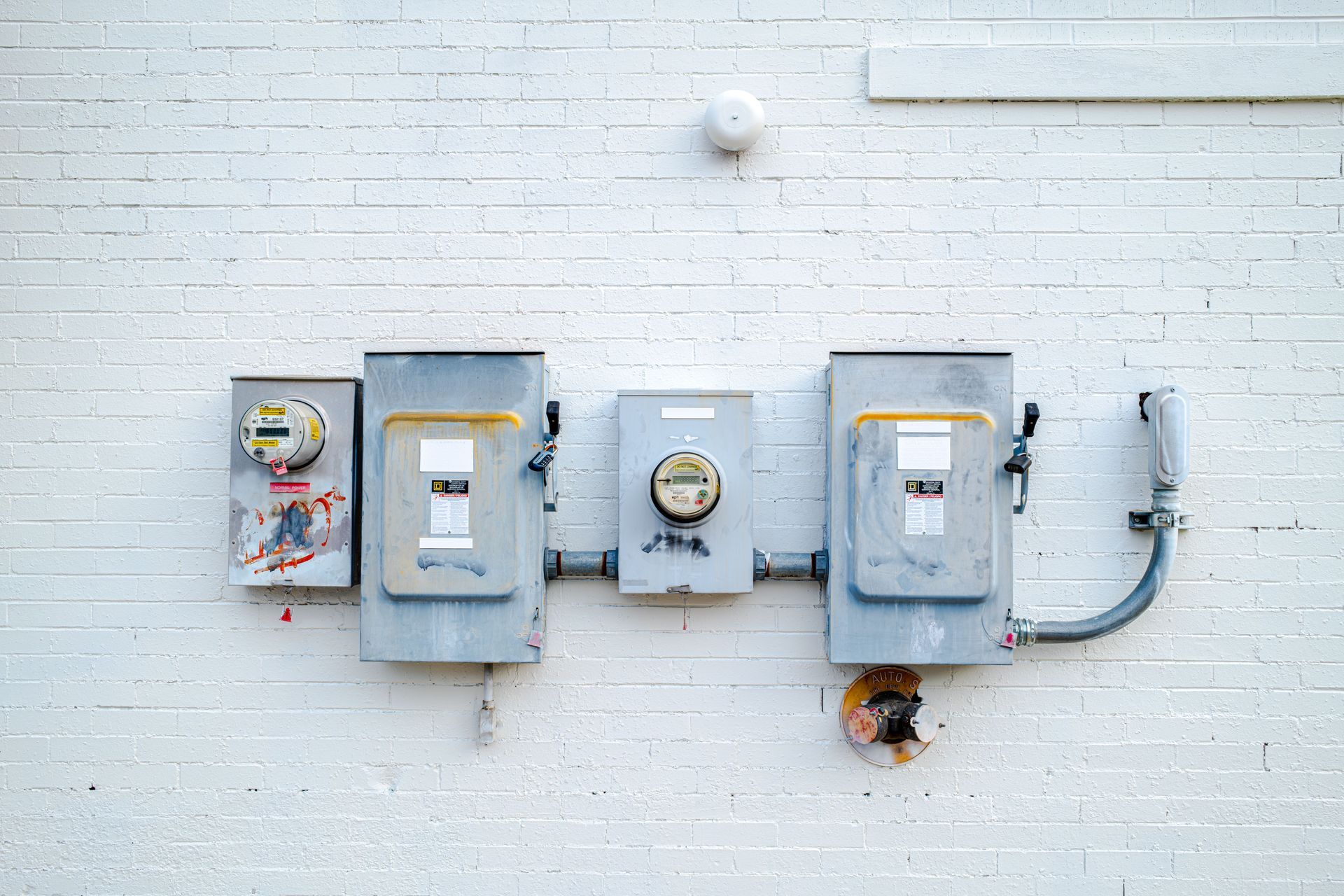
Electrical panels manage how power is distributed throughout a property. When a panel is outdated, undersized, or no longer listed for use, it may struggle to support modern electrical demands. Signs of panel strain often include frequent breaker trips, flickering lights, or limited capacity for additional appliances and equipment. These issues commonly appear as homes and commercial spaces add new technology over time.
As demand increases, an aging panel can place stress on circuits and connected wiring. This may limit how power is used across the property and create interruptions that affect daily activities or business operations. Panels that cannot properly regulate electrical flow may also prevent upgrades such as new HVAC systems, charging equipment, or expanded lighting.
At Galvin Electric Company, we provide electrical panel installation in Kansas City, MO to support safe, balanced power distribution. Each installation begins with evaluating electrical demand, existing wiring, and grounding conditions. Panels are installed with clear labeling and organized connections to support long-term reliability. Call (913) 216-2109 to get started and bring your electrical system in line with today’s usage needs.
Support Modern Electrical Demand With Proper Panel Capacity
Electrical panel installation plays a central role in how safely and efficiently power is delivered throughout a property. The panel serves as the main control point for electrical distribution, directing power to individual circuits while managing overall load. Proper installation helps support stable voltage, organized wiring, and dependable performance as electrical demand changes over time.
- Electrical Panel Replacement:
Older or obsolete panels are removed and replaced with updated equipment designed to handle modern electrical usage. Replacement improves internal organization, supports higher circuit capacity, and helps reduce strain caused by increased appliance and equipment demand throughout the property. - Breaker Panel Upgrade:
Upgrading panel capacity allows circuits to be distributed more evenly across available breakers. This helps reduce interruptions linked to overloaded circuits and supports consistent power delivery to lighting, appliances, and permanently installed systems without repeated disruptions. - Outdated Panel Replacement:
Panels that are no longer listed for safe use may lack internal safeguards common in newer designs. Replacing these panels helps improve overall system reliability and supports safer power distribution aligned with current electrical standards. - Electrical Panel Inspection:
Evaluating panel condition helps identify wiring congestion, grounding concerns, and capacity limitations that may impact system performance. Inspections provide clarity on how power is flowing and whether the panel can support existing and future electrical needs.
Electrical Services
Ask About Service Plans Today
Service plans help address electrical issues early and support long-term system reliability.
Address Related Electrical Conditions During Installation

Electrical panel installation often connects to other areas of the electrical system. If wiring feeding the panel shows wear or improper connections, wiring repair may be completed to support consistent power flow throughout the property.
Frequent breaker interruptions may indicate the need for circuit breaker repair to stabilize distribution after the new panel is installed. In properties with inconsistent incoming power, electrical service repair may help regulate voltage before it reaches the panel.
Homes or commercial spaces adding equipment may also benefit from outlet installation to support expanded power access without overloading circuits. Addressing these related services during panel installation helps create a balanced system and reduces future disruptions.
Galvin Electric Company provides electrical panel installation for customers in Kansas City, MO with attention to both capacity planning and system organization.